Exploring the Intersection of Artistic Expression and Television: An Online Journal of Creative Insights
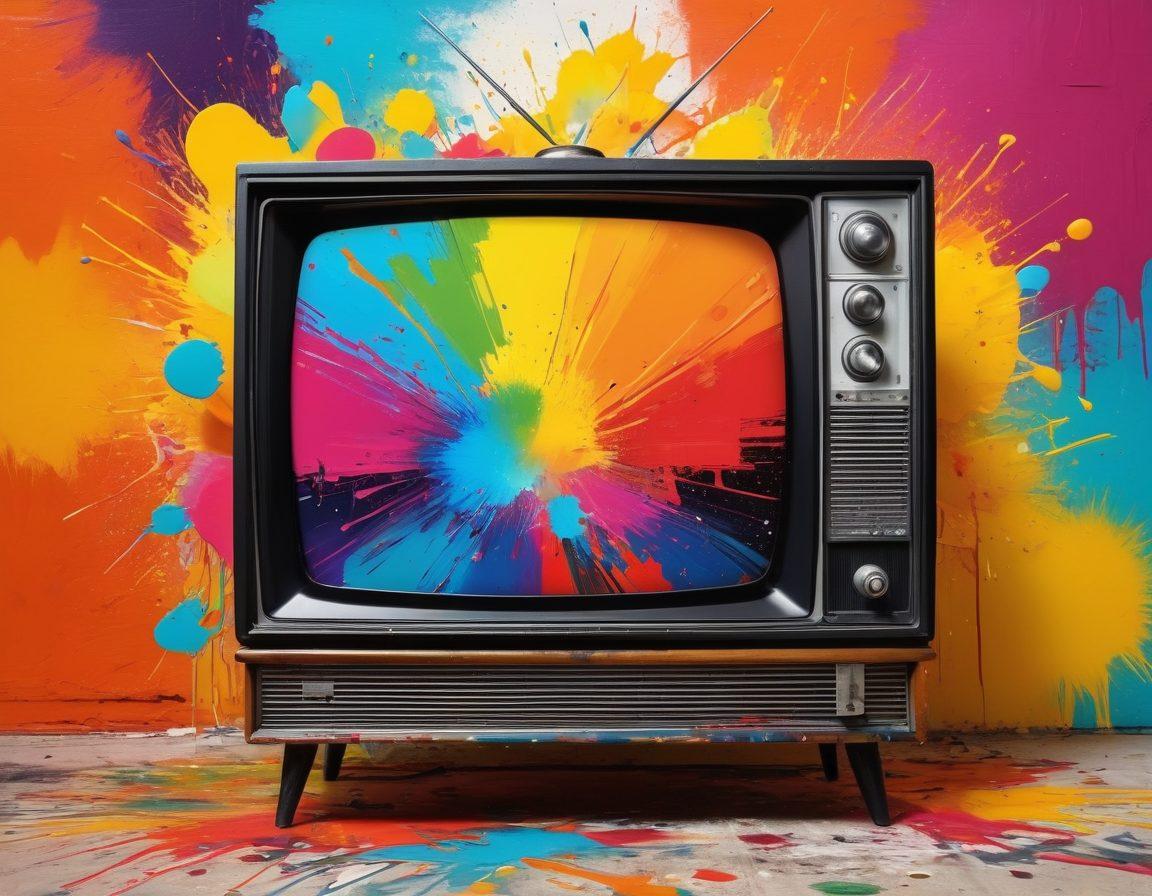
In the ever-evolving landscape of media content, television stands as a vibrant canvas that captures the intricate dance between artistic expression and storytelling. Who would have thought that the flickering glow of a screen could serve as a gateway to the visual arts, redefining our understanding of aesthetics and culture? Whether it's the sweeping tides of innovative narrative techniques or the subtle brushstrokes of costume design, television shows have transcended mere entertainment, propelling themselves into the realm of cultural phenomena. As we delve into this digital age, let's explore how the medium of television shapes artistic expression and gives birth to a new artistic lifestyle.
Imagine sitting on your couch, popcorn in hand, as the latest series unfolds before you, beckoning you to immerse yourself in its world. Television is no longer just a source of amusement; it embodies a way of life, shaping our views and tastes while influencing emerging trends in art and design. The creative writing that weaves narratives and the visual spectacles that accompany them are fine-tuned to resonate with audiences, establishing a dialogue that invites commentary from the artistic community. Have you ever paused to consider how much a television show's production design influences your perception of its story?
The aesthetic fusion of television and the arts goes beyond historical perspectives; it breathes life into the evolving tastes of viewers. With each episode, creators push boundaries, merging distinctive artistic styles that invite analysis and appreciation. Just take a moment to reflect: How many conversations about cultural commentary have sprung from the vibrant colors and thematic undertones of your favorite shows? The artistry behind these captivating visuals speaks volumes, prompting viewers to think critically and engage in a dialogue about the art forms themselves. It's a reminder that what we consume shapes not only our leisure time but our understanding of the world around us.
In an online journal dedicated to exploring these connections, we can draw parallels between iconic television moments and their reflection in modern culture. From the gadget-laden sci-fi worlds of 'Black Mirror' to the artful storytelling of 'The Crown', each show provides a lens through which we can view our lives and the artistic influences at play. How are these television shows shaping the artistic vision of the next generation? The melding of storytelling and artistic innovation has paved the way for a diverse range of art commentary, allowing us all to be active participants in this dialogue rather than passive consumers.
So, what does this mean for you? Engaging with the intersection of television and artistic expression opens a door to a more enriched lifestyle, where we can view our favorite shows not just as entertainment news, but as insightful commentary on contemporary life. As we gather insights from these creative works, we become part of a larger movement—a community that appreciates the artistry behind our screens and recognizes the significance of integrating media analysis into our understanding of culture. By embracing this intersection, we not only elevate our viewing experience but also nurture our own creative pursuits. Are you ready to tune in and discover the artistry waiting to be unveiled?
From Screen to Canvas: The Influence of TV on Modern Visual Arts
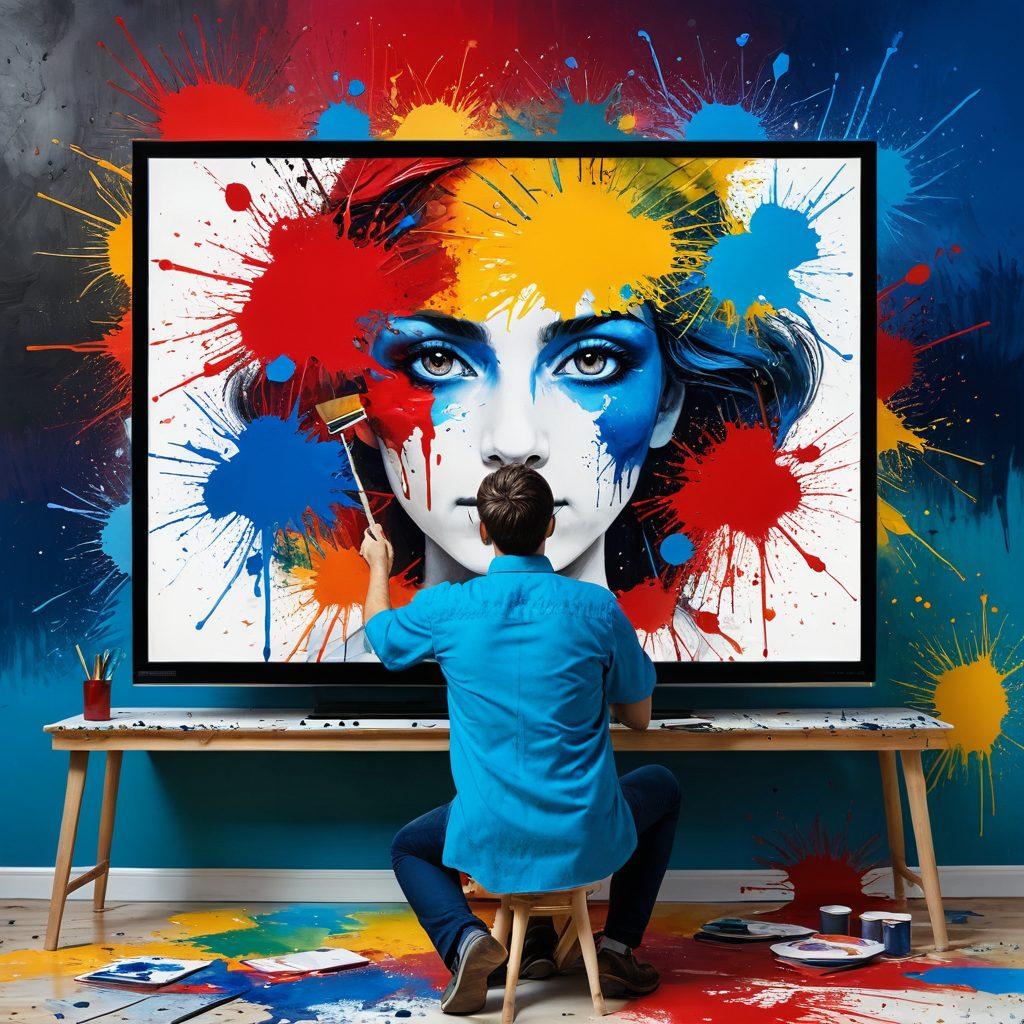
In today's fast-paced world, where television shows dominate our screens and shape our conversations, have you ever stopped to think about their influence on the modern visual arts? Television is more than just a source of amusement; it's a canvas that paints our daily lives, trends, and cultural phenomena. From the elaborate set designs in popular dramas to the visual storytelling in documentaries, the intersection of artistic expression and television is richer than we imagine. Join me on this journey through an online journal exploring how the broadcast medium influences our aesthetic perceptions and artistic communities.
As we dive into this landscape, we'll find that television is not merely a form of media content but an innovative force that shapes our way of life. From 'Game of Thrones' to 'Stranger Things', these television shows extend beyond their narratives to leave vivid imprints on art and design. The vibrant colors, dynamic compositions, and cutting-edge visual effects inspire artists around the world to create works that resonate with the themes presented on screen. Can a single scene from a show spark a movement in visual arts? Absolutely! It's a conversation waiting to unfold.
One cannot overlook the role of creative writing and cultural commentary in this artistic interplay. Writers and producers must deftly craft their visual narratives, which, in turn, influence the narratives of artists. The modern artistic landscape often reflects television’s lifestyle trends, encouraging viewers to think about how the stories they consume can inspire their own expressions. After all, art is a mirror, and today's content creators are offering plenty of reflections to consider. Have you ever thought about a character's wardrobe in a show and felt inspired to recreate that style in your artwork? That's the power of these cultural phenomena!
Moreover, the shift in how we consume media has led to a more interconnected artistic community. Social media platforms allow for immediate sharing of artistic interpretations of television characters, scenes, and themes. Artists often communicate their thoughts and experiences through visual forms, capturing the essence of what made a show or episode memorable. This blending of art and entertainment news generates discussions that connect people globally, breaking boundaries of traditional artistic expression. Have you participated in an online art challenge inspired by a beloved series? That simple act connects your creativity to a larger dialogue.
In conclusion, as we explore the influence of TV on modern visual arts, we uncover a rich tapestry woven from inspiration, creativity, and cultural dialogue. The relationship between artistic expression and television is nothing short of extraordinary, as both realms continue to inform and inspire each other. So next time you turn on your favorite show, consider how the art you love has been influenced by the world of television. Let's keep this conversation going in our artistic communities, sharing insights and inspiration from our screens to our canvases. Are you ready to create art that reflects your favorite programs?
Crafting a New Narrative: The Role of Creative Writing in Television's Artful Journey
In the dazzling realm of television, where stories unfold on screens big and small, a subtle yet powerful force emerges—creative writing. This art form not only shapes the narrative arcs of our favorite television shows but also intertwines with various aspects of artistic expression. When we think of the beautifully crafted stories that grace our screens, it's inevitable that we also consider their impact on our way of life. This ongoing interplay between narrative and innovation has turned television into a multifaceted cultural phenomenon, making it a vibrant topic for exploration in an online journal devoted to creative insights. But what is it about creative writing that breathes life into broadcasting, elevating it to a canvas of visual arts?
Imagine for a moment sprawled on your couch, engrossed in a television show, where every dialogue feels as if it resonates deep within your soul. Have you ever stopped to think about the writers behind that masterpiece? Each episode is a labor of love, a meticulous blend of art and design where scripts are akin to blueprints for the architectural marvel we see on screen. As viewers, we partake in this artistic community, connecting with characters, themes, and visuals, all while being entertained. Is it too grand to say that creative writing is the backbone of entertainment news? It ignites our imagination, offers amusement, and transforms ordinary moments into extraordinary ones.
The magic of creative writing doesn’t just stop at engaging narratives; it pushes boundaries and encourages media analysis. In an age where lifestyle trends seem to change with the blink of an eye, the ability of writers to adapt and innovate within the television landscape is nothing short of remarkable. From the inception of a plot twist to the development of relatable characters, creative writing encapsulates the dynamic between the viewer and the screen. How can a simple story about everyday life strike chords and spark discussions about our own artistic lifestyles? That’s the beauty of it—it transcends being mere media content and becomes a mirror reflecting our societies.
As we reflect on the role of creative writing in television's artful journey, we cannot ignore how it stitches together the threads of cultural commentary within our societies. With each season that airs, television shows become vessels holding mirrors to our reflections, be it tackling societal norms, exploring themes of love and loss, or even delving into the complexities of human nature. This sharing of stories not only enhances our understanding of one another but creates a robust tapestry showcasing the many facets of our existence. What insights can we glean about ourselves when we analyze these narratives? In what ways do these plots encourage us to challenge or embrace our cultural phenomena?
Ultimately, the confluence of creative writing and television serves as a reminder that art and design are not confined by galleries or exhibition halls; they flourish in everyday life through the stories we tell and the experiences we share. As members of an artistic community, we can leverage these insights to fuel our own creative expression, continually evolving in an ever-changing world. The question remains: how do we continue to foster this relationship between art and entertainment, ensuring that the narratives we craft not only entertain but also invoke thought and, perhaps, inspire action? By engaging with these narratives, we embrace not only the spectacles of television but the very essence of our intertwined lives.